



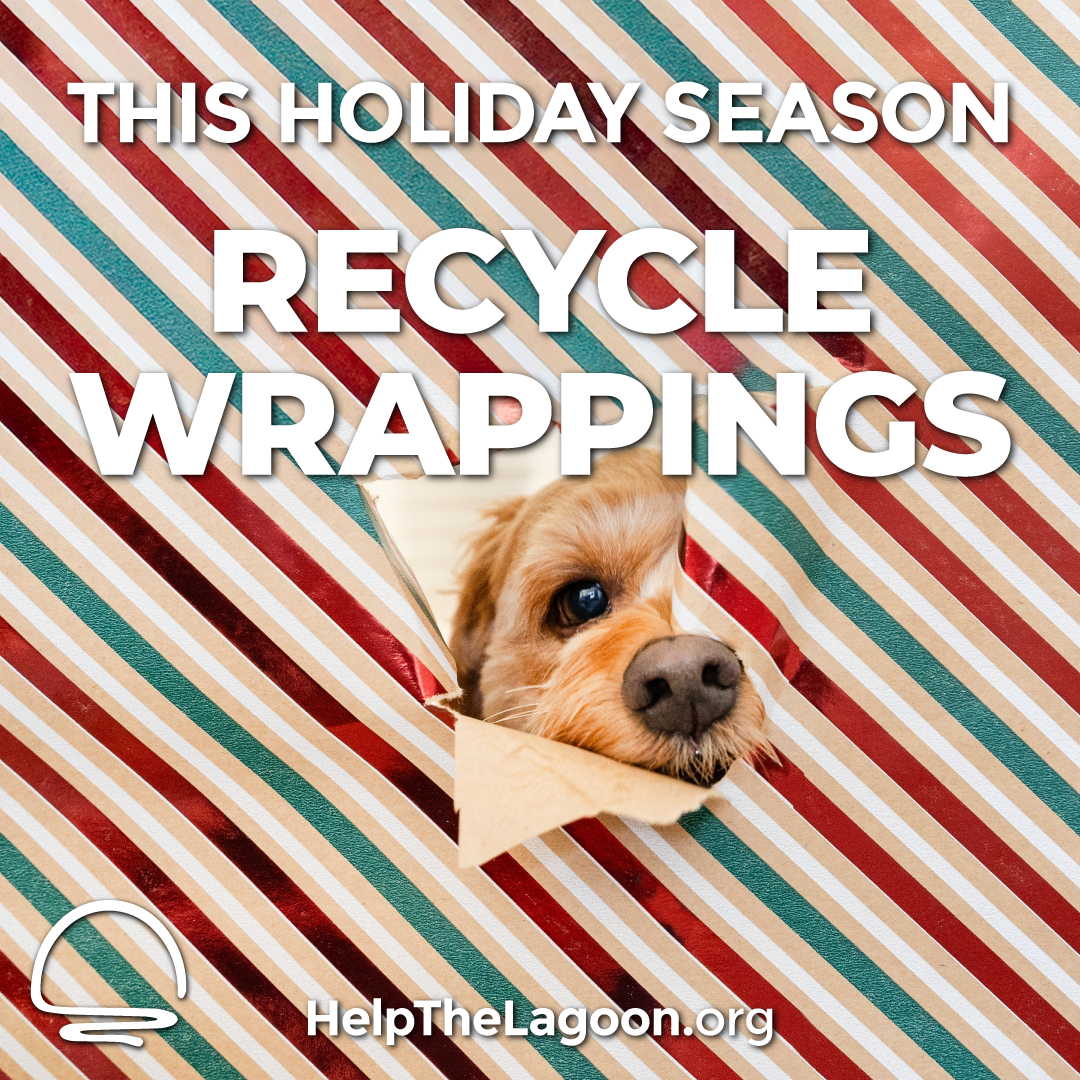
Hoo, boy, the holidays, am I right? We all know it’s better to give than to receive, but all that giving can mean a lot of wrapping to do. Then […]

Save Our Indian River Lagoon Program Wins Award
The East Central Florida Regional Planning Council announces the 2026 Diamond Award Winners. The highest honor, the Brilliance Award of Regional Impact, was presented to Brevard County’s Save Our […]
We Reveal Our Sources

Although there are many sources of pollution of the Indian River Lagoon, the major sources that we can control are Stormwater runoff, Groundwater(wastewater), and legacy Muck. Stormwater: Plant trees, Natives, […]
We Hate to Dredge This Up, But…

Seventy-five years ago, much of the Indian River Lagoon (IRL) bottom was composed of sand, shell, and natural sediments overlaid by thriving seagrass meadows that supported fish, manatees, and countless […]
WHAT YOU NEED TO KNOW ABOUT WASTEWATER

What is Wastewater? Commonly known as sewage, wastewater is everything that goes down the drain. It is mainly water from washing laundry and bathing with some solids from toilet water […]
Restoration Programs Can Use Your Help

Public awareness and involvement are essential for the success of lagoon restoration projects. This includes volunteer opportunities, educational programs, and community-based monitoring initiatives. Local organizations have volunteer opportunities: Oyster […]
Habitat Restoration
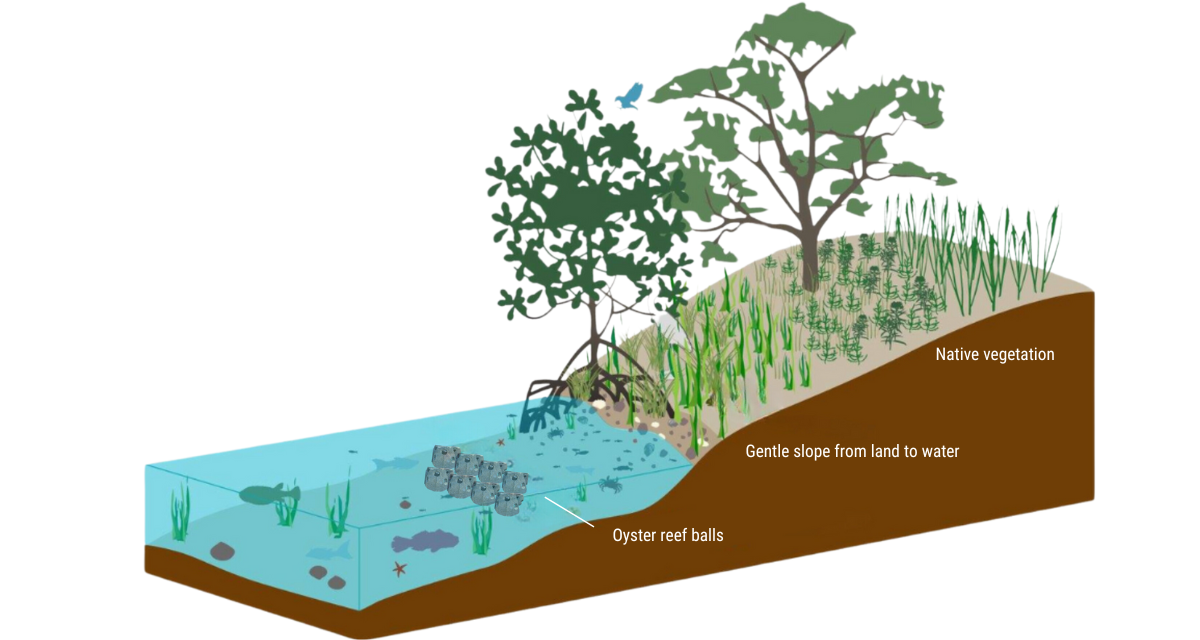
Lagoon habitat restoration focuses on restoring degraded lagoon ecosystems by improving water quality, restoring critical habitats, like oyster reefs, and enhancing shoreline resilience. These efforts are often multifaceted, involving public-private partnerships, community involvement, and a […]
Save Money and the Lagoon with Smart Irrigation

You have probably seen water from sprinkler systems running down the street or running when it is raining? That water runoff from irrigation systems picks up pollutants from yards and […]
News You Can Use from St. Johns RWMD

Here is some interesting information from the St. Johns River Management District. 🌊 Did you know the Mosquito Lagoon—stretching from the Ponce de Leon Inlet to the north end of […]
Money for Lagoon Projects Reduced

(From Florida Today) Gov. Ron DeSantis on Monday June 30 vetoed $6.8 million, or about 28% of the roughly $24 million state lawmakers had designated for Indian River Lagoon cleanups […]