



Although there are many sources of pollution of the Indian River Lagoon, the major sources that we can control are Stormwater runoff, Groundwater(wastewater), and legacy Muck.

Stormwater:
Plant trees, Natives, Vegetated swales
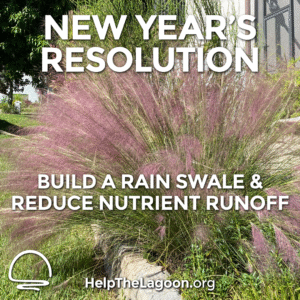 Stormwater runoff includes all water that enters the lagoon from the surface. It includes street storm drains, rivers, canals and direct runoff from shorelines. During rainstorms everything that is lying on the surface can be swept into street storm drains, canals and lakes which end up in the lagoon at some point. Retaining stormwater on your property can help reduce the amount that flows the lagoon. Planting leafy native trees and shrubs in your yard that don’t require extra fertilizer can help. Converting hard surfaces like driveways and decks, to permeable paver surfaces allows rainwater to be absorbed, preventing runoff.
Groundwater:
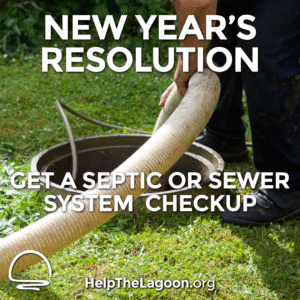 Groundwater is any subsurface water that enters the lagoon. One of the major groundwater polluters are on-site septic systems, of which there are over 60,000 in Brevard County alone. If you have a septic system, make sure it is well maintained by calling your local plumber or septic service provider for a checkup. Wastewater may also enter ground water from leaking sewer mains and the pipes(laterals) connecting your house to the sewer main. Call a plumber for an inspection. Another source of groundwater pollution can be a from irrigating with public reclaimed water which is high in pollutants. If you irrigate with reused water, call your local wastewater utility for guidance.
Over fertilizing can pollute the groundwater. During shorter cooler winter months lawns and plants slow their growth, so reduce irrigation to 1 day per week, and reduce or stop fertilizing.
Muck:
Muck is the result of many years of pollution from stormwater runoff, sewage outflows, leaves and grass clippings that blow into the lagoon and sink to the bottom. All of these pollutants contain organic matter that forms a layer of black ooze on the floor of the lagoon as it decays over many years/decades continuing to pollute the waters of the lagoon, preventing seagrass from growing.
Large deposits of muck are being removed by environmental dredging, which is a very slow and expensive process, so we need to do everything we can to prevent new pollutants from adding to the muck in the lagoon. This includes keeping grass clippings, leaves and fertilizer out of the street and waterways.
Holidays Tips:
 Recycle old Christmas Trees, lighting strings and wrapping paper. Don’t overload drains with disposed foods.
Learn more about what you can do to reduce muck buildup at www.helpthelagoon.org and see what community projects are amplifying these efforts at Brevard’s SOIRL website at https://www.brevardfl.gov/SaveOurLagoon/
What You Can Do Today:
Support the Brevard Indian River Lagoon Coalition.
Explore MEMBERSHIP and benefits. Or make a DONATION.
Be part of the solution.