



What is Wastewater?
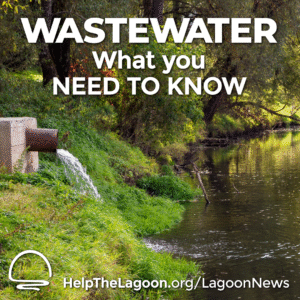 Commonly known as sewage, wastewater is everything that goes down the drain. It is mainly water from washing laundry and bathing with some solids from toilet water and food waste. This wastewater can be processed at your home or piped to a central wastewater treatment plant. Home processing is called Onsite Sewage Treatment and Disposal Systems (OSTDS), more commonly known as Septic Systems.
Public wastewater treatment systems are community owned and operated. They start at your home with a lateral line connection to a sewer main. It is pumped by a lift (pump) station through a network of sewer lines, eventually ending up at a processing facility called a wastewater treatment plant.
Why is Wastewater a Problem for the Lagoon?
Untreated wastewater has a high level of Nitrogen and Phosphorous which can feed algal growth in the Lagoon. When wastewater is contained and treated properly, it has little to no impact on the Lagoon.
Problems occur when it leaks from pipes into the groundwater or surface waters or is not properly treated to remove Nitrogen and phosphorous before it is released into the surrounding waters above or below ground.
Septic Systems
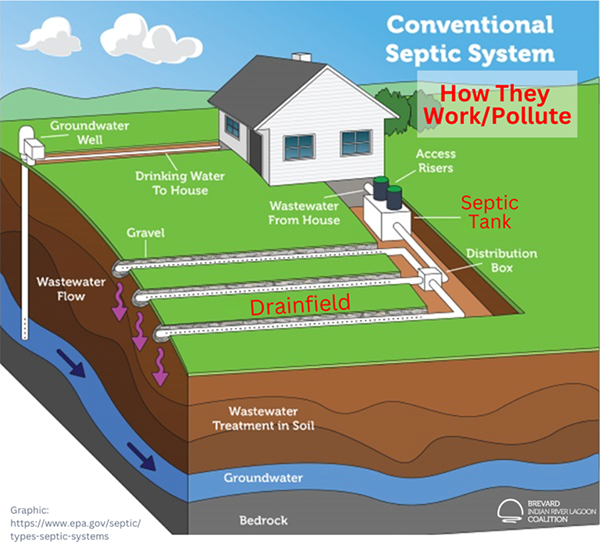
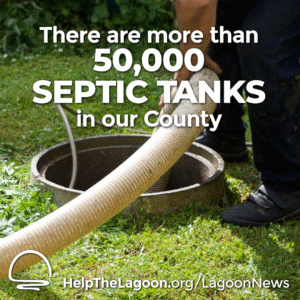
There are over 50,000 septic systems in Brevard County within the Indian River Lagoon watershed. Septic systems are commonly used where central sewer does not exist. When properly maintained, septic systems are often a safe means of reducing health issues from domestic waste but are not good at removing algae-feeding nitrogen and phosphorus pollution.
When septic systems are installed in sandy soils, close to the groundwater table, or surface waters, they contribute even more pollution. Leaky tanks and failing drain fields from poor maintenance, also contribute to water pollution.
How do you know if you have a Septic System?
Septic systems have a tank with one or more large covers and are typically below ground near your home. There are 2 basic types of septic systems, Conventional and Advanced. Advanced septic systems are relatively new and require power to process the wastewater. They are like a mini sewage treatment plant and can remove up to 85% of the nitrogen(N).
Conventional Septic systems are basically a large settlement tank to separate water from the fats and solids and must be inspected and pumped out periodically, typically every 3-5 years. They remove less than 40% of N&P. If you have a Conventional system, you should be aware that the state recently passed a law that requires conventional systems located in the Indian River Lagoon watershed, to be upgraded to Advanced Treatment systems or be connected to public sewer systems by 2030.
The Save Our Indian River Lagoon Project Plan (SOIRLPP) may provide some assistance in upgrading to advanced treatment septic systems, depending on your proximity to the Indian River Lagoon. Find out more at: https://www.brevardfl.gov/SaveOurLagoon/SepticSystemUpgrades
Public Wastewater Systems
Public Wastewater System may be operated by the County or municipality. If you are connected to a public Wastewater system, you will see the charge on your water bill. You are paying for the operation and maintenance of the public system which includes everything beyond your lateral line connection to the street sewer main.
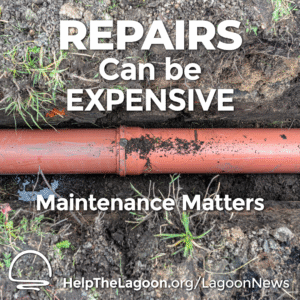 The connection between your home and the street sewer main are the homeowner’s responsibility. You should have this pipe checked periodically for breaks which can occur from digging, tree roots or just old age. In many communities the utilities have done smoke testing to identify leaks. The SOIRL Plan provides some funding to help offset the cost of repair: https://www.brevardfl.gov/SaveOurLagoon/PrivateSewerLaterals
There are a number of expansions of the public sewer systems underway. Some are partially funded by the SOIRL program. Click this link to find out if you live in an area that is being considered for expansion: https://www.brevardfl.gov/SaveOurLagoon/SewerProjects
Reclaimed Water
Since wastewater is mainly composed of water, one of the main functions of a public Treatment plant is to separate the water from the solids and clean the water so it can be reused. This water is called reclaimed or reuse water and is used for irrigation. Pipes carrying reclaimed water are typically colored purple and labeled reclaimed water.
If you receive reclaimed water for irrigation, it will contain some level of nitrogen and phosphorous so it is important to make sure you don’t overirrigate and aim sprinklers at your lawn, not the street or driveway where it could enter the stormwater drains which lead to the Lagoon.
An additional benefit from irrigating with reclaimed water is that it will fertilize for you, so you may not need to fertilize your lawn at all, or apply less than you would normally use.
 The Brevard Indian River Lagoon Coalition provides this information so that you can make better decisions about how you can help to reduce the impact that you have on the Indian River Lagoon. You can learn more about opportunities to volunteer and educate yourself on what you can do to help the lagoon at our website www.helpthelagooon.org/ You can also sign up to be a Member and get regular updates on opportunities to volunteer and the when and where the next educational event sponsored by the Brevard Indian River Lagoon Coalition will occur.